
A 7 mm label on the sleeve is not enough to promise you warmth and freedom. On the market, some wetsuits bet everything on thickness at the expense of flexibility, trapping the swimmer in an armor that restricts every movement. Others, in their quest for the “second skin” effect, forget that icy water does not forgive sloppiness. Choosing the right protection is a balancing act of compromises.
It is an alchemy between technology and feel, where every detail matters: the quality of the neoprene, the placement of the seams, the way the wetsuit fits the body. Even wear resistance or the ease of putting on the wetsuit come into play. These often-overlooked aspects separate impulsive purchases from trustworthy equipment when temperatures drop.
Why choosing the right wetsuit is essential for swimming in cold water
Cold water swimming leaves no room for improvisation: the cold bites, the body takes the hit, and the mind must follow. Here, the neoprene wetsuit takes on a vital dimension. It does not just warm you; it becomes your ally against heat loss, extends your time in the water, and pushes back the threat of hypothermia. In addition to providing effective thermal insulation, the wetsuit improves buoyancy: it helps you stay well-positioned in the water, limits muscle fatigue, and protects during long sessions or crossings. This safety gain makes a difference when clarity diminishes under the cold’s effect. Another often-underestimated advantage is protection against chafing, cuts, and stings, a discreet but valuable barrier. To enhance safety, pairing a buoy with complementary accessories like gloves, hoods, or neoprene booties quickly becomes obvious. Well-chosen equipment also affects the mindset: knowing you are protected gives you the confidence needed to push your limits. On this point, testimonials are clear: for cold water swimming, prioritize wetsuits designed for cold water, specifically made for these extreme conditions. This technical choice conditions both performance, safety, and the pleasure of swimming.
What technical criteria to prioritize for optimal protection and performance
In the face of cold water, the neoprene wetsuit becomes the central element of your equipment. Everything hinges on its design, from material choice to finishing. The thickness proves decisive: for temperatures below 12°C, it is better to opt for 5/4 mm, 6 mm, or even 7 mm depending on your resistance and duration of exposure. A high-performance inner lining adds a layer of warmth and makes putting it on less cumbersome. You can’t overlook Yamamoto neoprene, a reference among performance enthusiasts. The Yamamoto 39 focuses on flexibility, the GIGA #40 on insulation, and the Aerodome on buoyancy. Each version meets a specific need: it’s up to you to target according to your practice. The configuration of the closure affects waterproofing and freedom of movement. Back, front, or zip-free: each system has its supporters. Seams that are glued, stitched, or GBS (glued and blind-stitched) limit infiltrations and enhance durability.
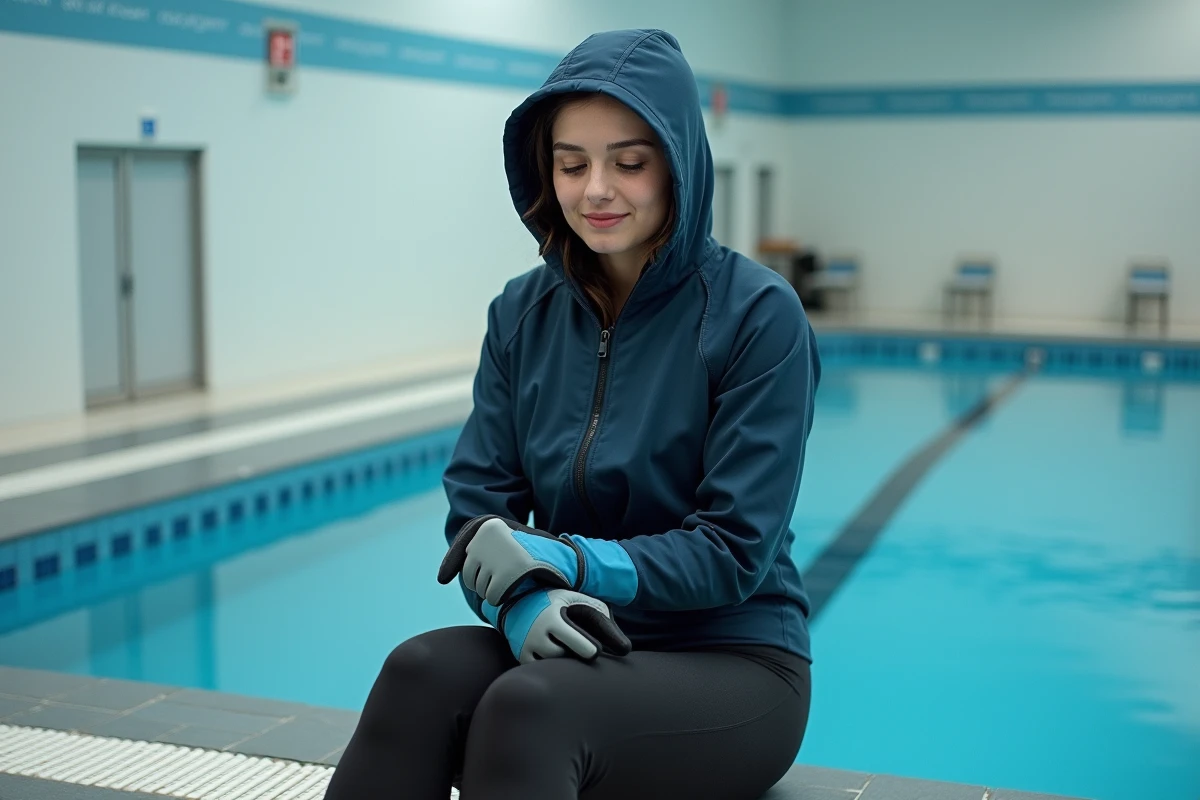
Also consider completing your gear: in extreme conditions, add a hood, gloves, and neoprene booties. These accessories particularly protect the extremities, often the most exposed to the cold. Finally, adapt the cut to your discipline—swimming, triathlon, surfing—to find the balance between freedom of movement, support, and insulation.
Practical tips for properly maintaining your wetsuit and extending its lifespan
Proper maintenance of the neoprene wetsuit determines its performance and longevity. After each outing, salt, sand, chlorine, and UV rays put the material to the test. Rinse it thoroughly with cold water right after swimming. Let it drain without twisting or vigorous rubbing. For drying, prefer the shade and hang it at the waist to avoid deforming the shoulders.
A gentle occasional wash with a non-aggressive soap is enough to eliminate persistent residues. Regularly inspect seams and zippers: proper zipper maintenance (a bit of specific lubricant) extends its lifespan and maintains waterproofing. For storage, prefer a flat position or a wide hanger in a ventilated and temperate place, away from heat sources and direct sunlight.
Here are a few tips to simplify daily life and protect your wetsuit:
- For transport, prefer a waterproof bag or a specific cover to limit shocks and abrasion.
- Before putting on the wetsuit, opt for a fitted swimsuit that reduces internal friction.
- After the session, wear a towel poncho or a robe to limit the sensation of cold and preserve the neoprene material.
In winter, equipping yourself with warm merino wool clothing and preparing a thermos are reflexes that make all the difference in quickly regaining comfort once out of the water. This is how you continue to enjoy for a long time, without fearing the bite of the cold, neither for yourself nor for your equipment.