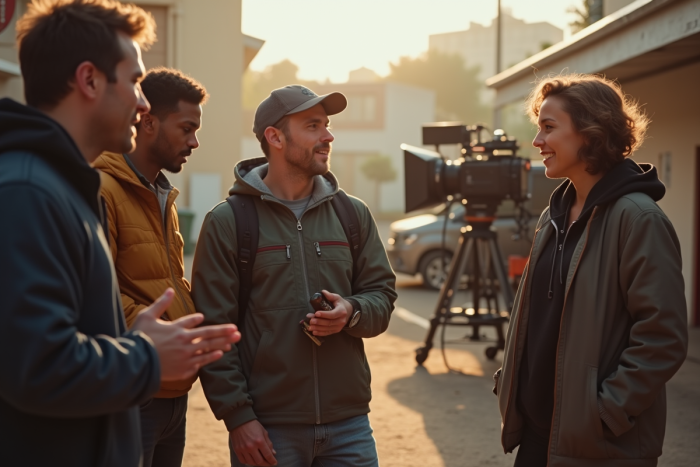
No major studio operates solely thanks to its stars. Hollywood contracts once imposed clauses that prevented many artisans from appearing in the credits. For decades, major decisions were made far from the spotlight, often by individuals whose names were nowhere to be found. These contributors sometimes altered the trajectories of major films without ever gaining public recognition.
In the Shadows of the Spotlight: Understanding the Hidden Influence on Hollywood Cinema
When the red carpet draws all eyes to a few faces, the essence lies elsewhere, in the secrecy of studio corridors. Hollywood relies on a multitude of professions and silent journeys. Some, like Katherine Johnson, Mary Jackson, or Dorothy Vaughan, have eventually emerged from obscurity, thanks to works like Hidden Figures. Yet, most remain confined to the shadows, victims of restrictive contracts, invisible barriers, and media disinterest.
Recognition for women like Katherine Johnson took decades to arrive. It was only at the end of her life that the Presidential Medal of Freedom came to reward an extraordinary journey. Mary Jackson overcame each obstacle one by one to earn the title of engineer. As for Dorothy Vaughan, she anticipated the computer revolution and trained her colleagues in programming, without waiting for official honors.
Behind the stars and the media figures, other profiles illustrate this silent mechanism of Hollywood. Like Paul Qualley, who often remained in the shadows, these discreet trajectories advance the whole without fanfare, but without faltering either. They remind us that such a vast industry combines talents and unknown destinies, far from the articles of the gossip press.
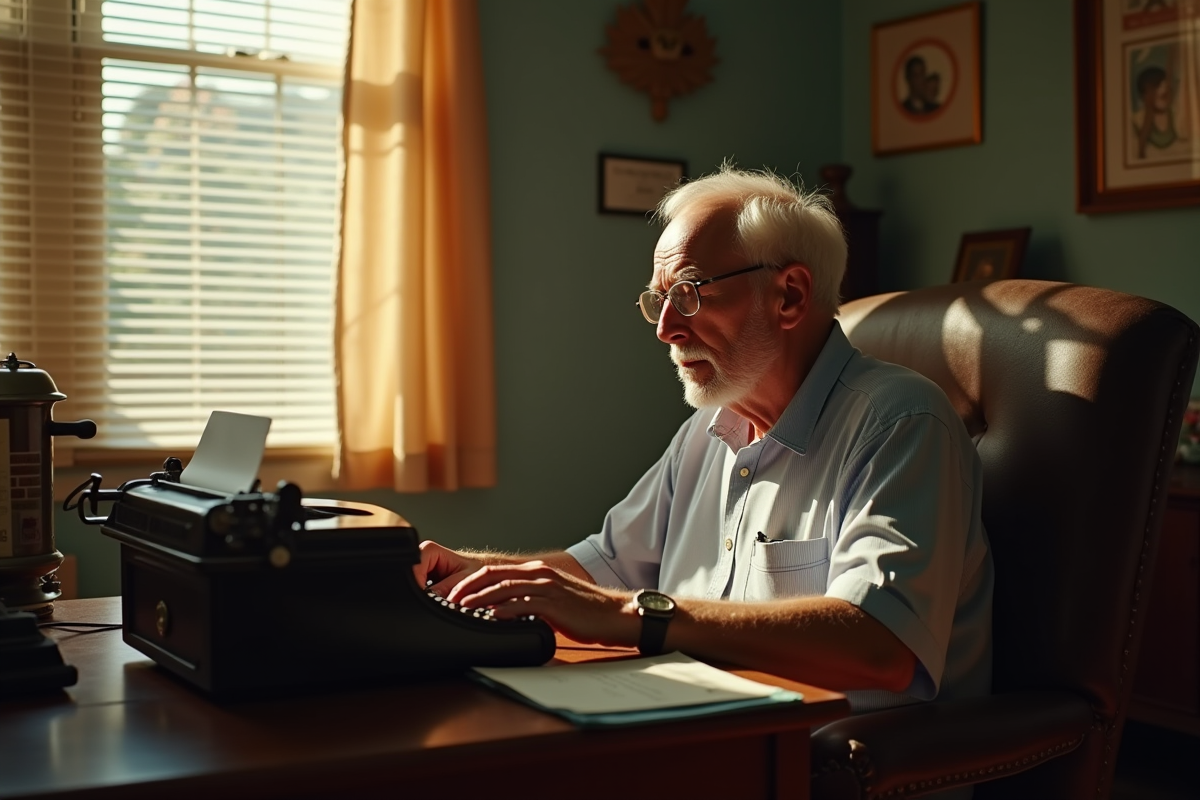
Revealing Portraits of These Unknown Artisans Who Shaped Hollywood’s History
Hidden Figures shifts the focus. Suddenly, the narrative stops on three mathematicians who have long been relegated to the margins. At NASA, Katherine Johnson, Mary Jackson, and Dorothy Vaughan charted a path of emancipation, breaking chains of prejudice and discrimination, paving the way for future generations.
The precise calculations of Katherine Johnson allowed John Glenn to complete his orbital flight with the confidence required for the feat. Mary Jackson, a pioneer, helped to permanently transform her professional environment. Dorothy Vaughan guided her peers towards the computer revolution when no one yet grasped its magnitude. All key roles that have long gone unacknowledged.
To bring these destinies to life, it took actresses capable of embodying all the subtlety and strength of these journeys. Here are the performers who lent them their features and energy:
- Octavia Spencer portrays Dorothy Vaughan with a quiet authority and a keen sensitivity.
- Janelle Monáe infuses Mary Jackson with a contagious energy, making her determination palpable.
- Taraji P. Henson gives Katherine Johnson a presence that is both fragile and resolute.
Under the direction of Theodore Melfi and adapted from the book by Margot Lee Shetterly, the film offers a new perspective on American space exploration. Distributed by Twentieth Century Fox France, it sheds light on these scientists who have remained too long on the periphery of official history.
From silent backstages to hushed offices, a whole legion of invisible artisans keeps the Hollywood machine running. The next time a credit roll fades, think of all those whose names escape the light, but whose actions also shape the memory of cinema, a vivid memory, sometimes rekindled at the turn of a film or an unexpected story.