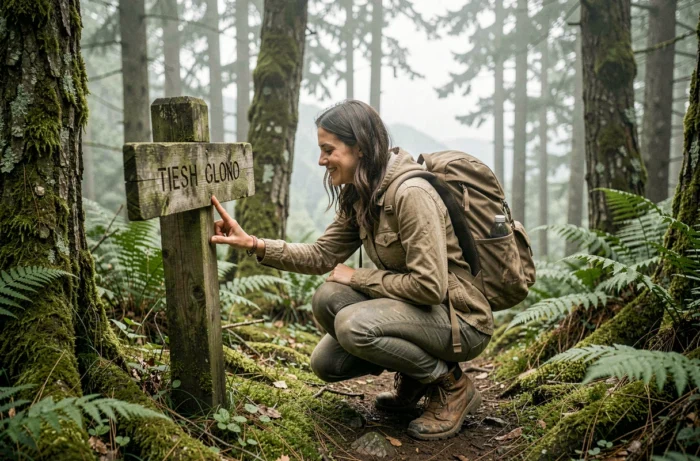
The experiential travel market has shifted. Demand is no longer focused on the destination itself, but on the intensity of what one does there. Eurostat 2024 data confirms an underlying trend: train travel is on the rise and has surpassed buses and coaches for the first time since 2014 in the distribution of passenger-kilometers within the EU. This shift in mobility is reshaping the activities accessible during travel.
Micro-adventure without a plane: the game-changing operational framework
Micro-adventure is not a marketing concept. It is a travel format designed for a short radius (train, bike, kayak), lasting two to four days, with moderate physical engagement. This format takes advantage of the progress of rail travel in Europe to make accessible areas that planes fly over without stopping.
In France, the Alps, the Verdon Gorge, or the volcanoes of Auvergne lend themselves to micro-adventures structured around a single activity: climbing, canyoning, alpine hiking. The principle is to focus the effort on one discipline rather than chaining visits. A whole weekend dedicated to via ferrata in the Écrins creates a more lasting memory than a tour of three capitals in five days.
We recommend securing transport logistics before choosing the activity. The TER network serves hiking trailheads or kayak launch points that most travelers are unaware of. Mapping the train stations near adventure spots is the first step to a successful micro-adventure.
To refine the choice of a discipline based on the destination, you can discover activities on Actualités Voyages and compare the formats offered by region.
Solo travel: a demanding format that restructures the experience
Nearly 30% of Europeans are considering a solo trip in the next twelve months, with even higher rates in Germany. This figure is not anecdotal: it reflects a shift in the relationship with travel, where chosen solitude becomes a lever of intensity.
Traveling alone is not just about booking a single room. Solo travel requires making every decision, from navigating in the mountains to choosing a restaurant. This constant cognitive load creates a state of presence that group travel dilutes.
Activities that gain intensity when solo
- Multi-day hiking (GR20, Tour du Mont-Blanc, Stevenson Trail) forces one to manage effort, supplies, and navigation without a safety net. The pace adapts to the body, not the group.
- Long-distance self-supported bike touring (panniers, lightweight camping) offers immersion in rural landscapes inaccessible by car. Alpine passes or towpaths along canals in France are particularly suited to this format.
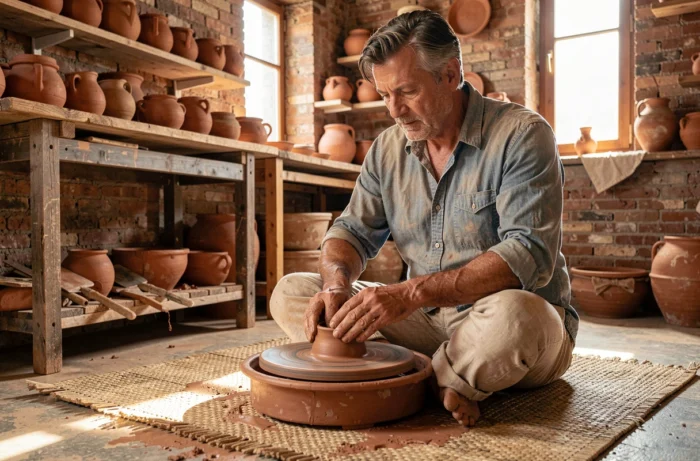
- Workshops in artisanal or agricultural immersion (grape harvesting, pottery, dry stone construction) place the solo traveler in a direct learning situation with a local professional, without the group dynamic that turns the workshop into a tourist activity.
Solo travel requires more rigorous logistical preparation, particularly regarding insurance, communicating the itinerary to a third party, and managing equipment independently.
Slow travel and digital disconnection: beyond inspirational discourse
Slow travel is not the opposite of fast travel. It is a conscious trade-off between the number of places visited and the depth of the experience in each. Specifically, this means spending a week in a single mountain village rather than three days in three different cities.
Recent European studies show that this trend is accompanied by a growing demand for digital disconnection as a central component of the stay. The goal is not only ecological or ethical: it is a measurable pursuit of well-being, stress reduction, and presence.
French destinations suited for slow travel with family
Families looking to travel differently find in slow travel a structuring framework. The inland Basque Country, the Jura, or the Cévennes offer nature accommodations (isolated lodges, farms) combined with white-water activities, marked trails, and local cuisine. Slow travel with family works when physical activity replaces the imposed cultural program.
The key lies in choosing a limited perimeter. A radius of twenty kilometers around a drop-off point is sufficient for a week of vacation if the area offers mountains, water, and a farmers’ market. This format also reduces transportation costs, freeing up budget for local experiences (naturalist guide, cooking class, canoe trip).
Water and mountain activities: underutilized combinations
Most content on alternative travel lists isolated activities. We observe that the most memorable experiences arise from combining two environments in the same trip.
A concrete example: pairing a sea kayak crossing on the Breton coast with a hike on the cliffs of the GR34 in the same week. The contrast between aquatic effort and high-altitude walking creates a sensory diversity that neither would produce alone.
- Alps and lakes: high-altitude hiking in the morning, paddleboarding or swimming in a glacial lake in the afternoon. Lake Annecy or the Ayous lakes in the Pyrenees illustrate this format.
- Gorges and rivers: canyoning in the morning followed by a return hike along the ridges. The Verdon and Ardèche offer routes calibrated for this alternation.
- Coast and hinterland: surfing or sailing in the morning, mountain biking in the hills in the afternoon. The Basque coast and its hilly hinterland are perfectly suited to this logic.
Alternating between aquatic and terrestrial environments in the same trip engages different muscle groups and reduces accumulated fatigue over a week, allowing for a high level of physical engagement without exhaustion.
The choice of these combinations directly depends on the local geography. Before planning, checking the actual distance between the water point and the trailhead avoids car transfers that disrupt the rhythm of a soft mobility stay. The best configurations place these two elements within thirty minutes by bike of each other.