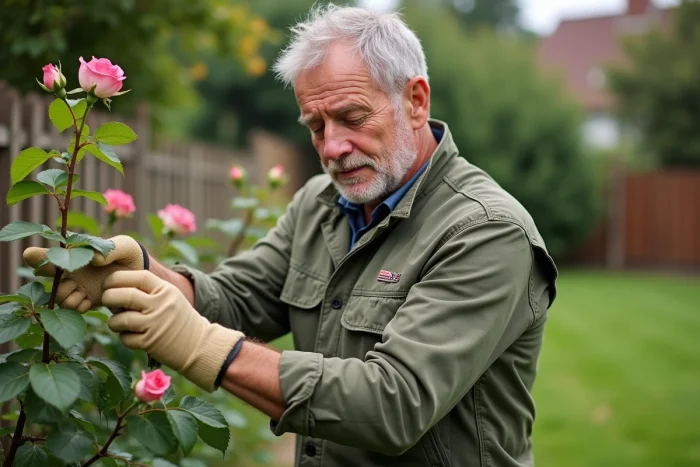
The late pruning of roses can delay their blooming by several weeks, while a simple application of compost in the fall promotes their vigor without additional effort. Many neglect soil aeration during the winter, underestimating its impact on the spring recovery of plantings. Essential tasks are not evenly distributed throughout the seasons: some interventions, too often postponed, condition the health of the garden for the entire year.
Why regular maintenance transforms your garden through the seasons
Caring for your garden, month after month, is about shaping a living, resilient, and harmonious space. Nothing is left to chance: nourished soil, preserved structure, actions tailored to the needs of each plant. We anticipate, observe, and support natural cycles. When autumn arrives, strategic mulching protects against the cold; in spring, a hoeing wakes the soil; at the end of summer, a measured pruning prepares for regrowth. Trees, flower beds, and borders: each requires specific attention to thrive.
The weather sets its own pace. In summer, precise watering targets young roots and prevents water loss. In autumn, it’s essential to clear the soil of fallen leaves and debris to limit the spread of diseases and the establishment of pests. As temperatures drop, the garden prepares for winter: roots protected, perennials divided, borders cleaned. This planning avoids unnecessary actions and promotes local biodiversity.
Here are some practices to prioritize for maintaining a healthy garden throughout the year:
- Maintain soil fertility with mature compost to stimulate underground life.
- Prune hedges and trees judiciously, respecting their natural shape.
- Regularly inspect plantings to detect water stress or diseases at the first signs.
Want to delve deeper into these techniques and adapt your approach to each space? Learn more at Expert Jardin offers concrete solutions to address the realities of gardening throughout the year.
What simple tips make life easier for gardeners, even beginners?
Gardening becomes accessible to everyone when you adopt a few clever habits. Investing in solid tools, well-chosen according to the area to be maintained, makes all the difference. A sharp pruner, a handy cultivator, a watering can designed for ergonomics: the basics to keep the pleasure without unnecessary fatigue.
To work efficiently, it’s better to organize tasks by zones and anticipate what can be anticipated. Mixing ingredients in advance to create your own natural solutions, like nettle tea or black soap treatments, saves time during interventions while protecting crops from external aggressions.
Observation remains the gardener’s best ally. Quickly spotting the first signs of weakness on leaves, acting delicately to preserve balance: mulching to retain moisture, hoeing without excess, collecting rainwater to limit watering. This reasoned management benefits both the environment and the vitality of the garden.
Here are a few simple ideas to integrate into your routine that further enhance the autonomy of the space:
- Install a composter to turn green waste into fertile material.
- Alternate crops and plant species to preserve soil richness.
- Sow green manures in autumn to naturally regenerate the soil.
These actions, repeated throughout the seasons, quickly become automatic. Gardening is not reserved for experts: it embodies regular attention, thoughtful choices, and the desire to learn from living things.

The month-by-month calendar: what to do in your garden all year round?
Spring: launching work for a healthy garden
March marks the awakening of the garden. We sow the first annuals, prepare for future harvests of fruits and vegetables. The soil, still cool, appreciates light tilling to aerate it. In April, it’s time to transplant tomato seedlings and prune fruit trees before vegetation starts. May requires particular vigilance against the risk of late frosts. Installing protections and choosing robust varieties can prevent many setbacks.
Summer: maintenance and harvests, increased vigilance
June imposes a steady rhythm: regular watering, weeding, mulching to limit evaporation and contain “weeds.” July and August are harvest time: vegetables from the garden, red fruits, beans, zucchinis. It’s also the period when monitoring for pests intensifies. Adding compost strengthens soil structure and prepares for autumn.
Autumn and winter: preparation, protection, rest
In autumn, September and October are perfect for dividing perennials, planting new trees or shrubs, enriching borders. November sees the pruning of roses and the installation of protections for fragile plants. When winter arrives, between January and February, we take advantage of the mildest days to maintain tools, plan sowing, and provide protective mulching for plantings. A healthy garden relies on this cycle of attention, targeted actions, and seasonal adaptations.
Throughout the months, each intervention shapes a landscape that is anything but static: it evolves, surprises, and rewards the attentive eye with an explosion of life, season after season.