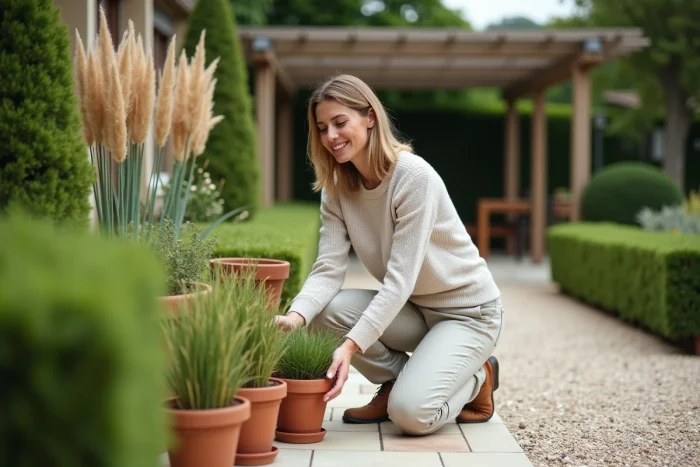
Some materials, although known for their robustness, prove incompatible with clay or acidic soils, leading to early degradation. A perfectly symmetrical space does not guarantee better circulation or optimal use. Installing local species is not always enough to limit maintenance: layout, shade, and access play equally decisive roles.
Regulations regarding fence height vary by municipality, showing significant discrepancies from one town to another. Automatic devices, often perceived as a luxury, significantly reduce water consumption from the very first seasons.
A garden, much more than just an outdoor space: understanding its strengths and uses
The garden does not merely host a few plants along the edge of the lawn. It transforms into a living laboratory and a theater of activities where every household member finds their place. The uses are multiple and shape the identity of the place:
- play area for children,
- refuge for local biodiversity,
- haven of relaxation,
- extension of the home.
In this mosaic, thinking about the layout means finding the right balance between refinement and practicality. Elegance, far from being just a visual effect, is reflected in the arrangement of materials and the balance of volumes. Functionality, on the other hand, comes into play in circulation, shaded areas, ease of access, and maintenance management.
The selection of plants sets the tone. Betting on perennial plants ensures floral presence over several seasons, while climbing plants provide welcome verticality to dress a wall or structure a space. Integrating suitable trees promotes shade, limits watering, and attracts beneficial wildlife to the garden.
Circulation between spaces should remain unobstructed and clear. Here are some principles to achieve this:
- A natural stone path connects the dining area to a shaded relaxation corner,
- Vegetal borders delineate uses without blocking the view,
- Water features, even modest ones, energize the garden and enhance its attractiveness to wildlife.
For those looking for concrete examples, the garden on siaarchitecture.fr is full of projects where the dialogue between the house and nature makes perfect sense. The choice of elements, reflection on uses, selection of species: every detail shapes a living, transformable garden where imagination finds its place.
What ideas for an elegant and functional garden according to your desires and constraints?
Creating a garden that is both stylish and practical begins with careful observation of the land. Several parameters need to be studied to avoid unpleasant surprises:
- climate, exposure, dimensions, architectural context.
Design ideas revolve around the alliance of aesthetics and pragmatism. Some materials withstand the test of time without faltering:
- natural wood or composite wood for terraces,
- local stone for pathways,
- patinated steel for a few decorative elements.
Furniture sets the rhythm. A convivial dining area, designed to capture light and facilitate exchanges, becomes the heart of the garden. Set up a relaxation space under a pergola or in the shade of a tree to enjoy an accessible refuge throughout the year. If space is limited, modular furniture naturally comes into play. A few well-chosen and discreet decorative items are enough to affirm the identity of the place.
- Plants suited to the climate ensure robustness and reasonable maintenance,
- Touches of flowering garden all year round thanks to perennial plants and a few evergreen species,
- The distribution of volumes by levels, planters, or low walls energizes the perspective and facilitates space management.
The overall style should engage with the architecture: clean lines for a contemporary ambiance, softer shapes for a natural effect. Subtle and well-thought-out lighting invites you to extend your evenings in the garden. To explore other avenues, the garden on siaarchitecture.fr showcases projects where every detail illustrates the meeting of aesthetics, daily uses, and real-life constraints.
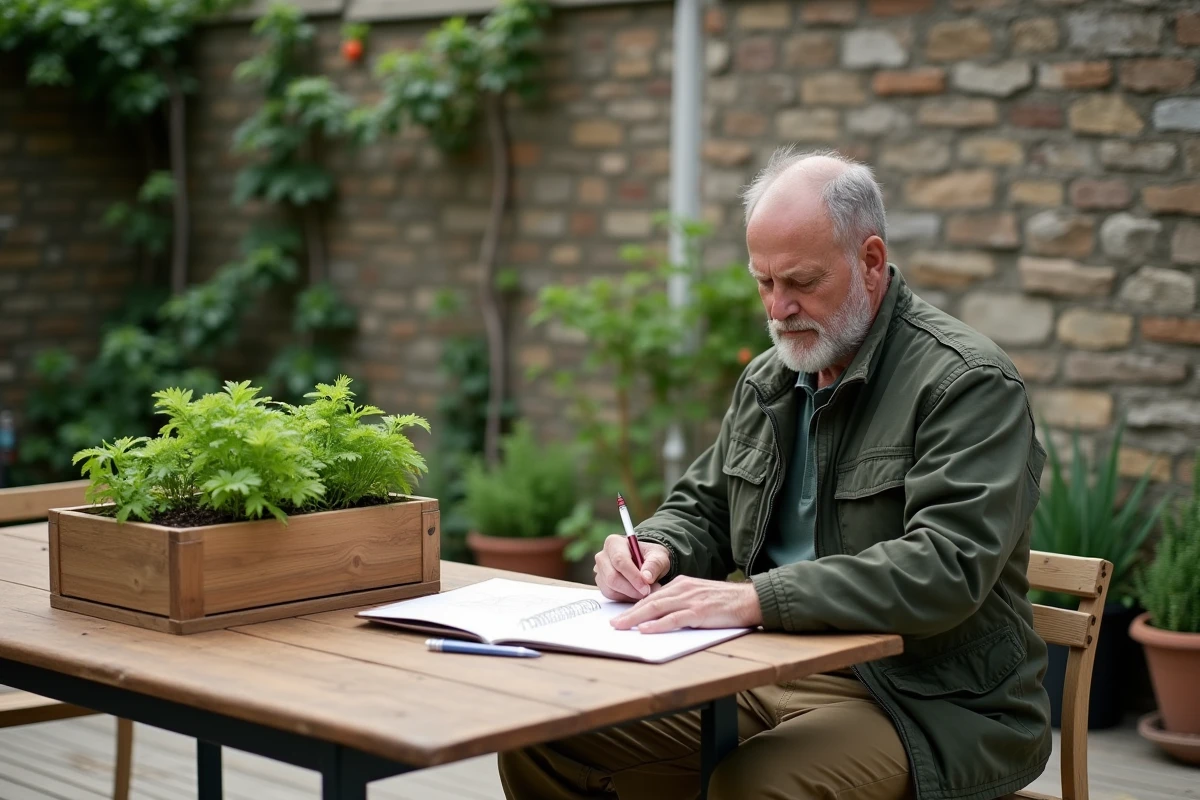
Practical tips and inspirations to transform your garden, step by step
Thinking about space, structuring use
Before imagining the vegetation or furniture, it is essential to clarify the organization of the garden. Here are some tips to facilitate the process:
- First, define the uses: dining area, rest area, flower bed. Each function requires its location, light, and proximity to the house or path.
- Outline the circulations: a path made of natural stone or composite wood shapes the geography of the garden, guides footsteps, and structures the volumes.
Composing with plants and materials
The choice of species suited to the climate is the first guarantee of a sustainable, easy-to-live-in garden. For each layer, here are the key points to keep in mind:
- large trees for shade,
- shrubs for structure,
- ground covers for design.
Think about combining evergreen foliage, seasonal blooms, and climbing plants to create rhythm throughout the year. A few understated chairs, a sleek table, and patinated corten steel add character to the ensemble. Discreet fairy lights during the day transform evenings into suspended moments.
Adapting to the house and daily life
Ensure the garden’s style aligns with that of the house. If the architecture is contemporary, favor clean lines. Terraces and balconies, even modest ones, become spaces to invest in for unexpected plant touches. A garden is not just a backdrop: it is a playground, a refuge, a place for sharing that evolves with each season. The next chapter remains to be written, day by day, in tune with the light and desires.